

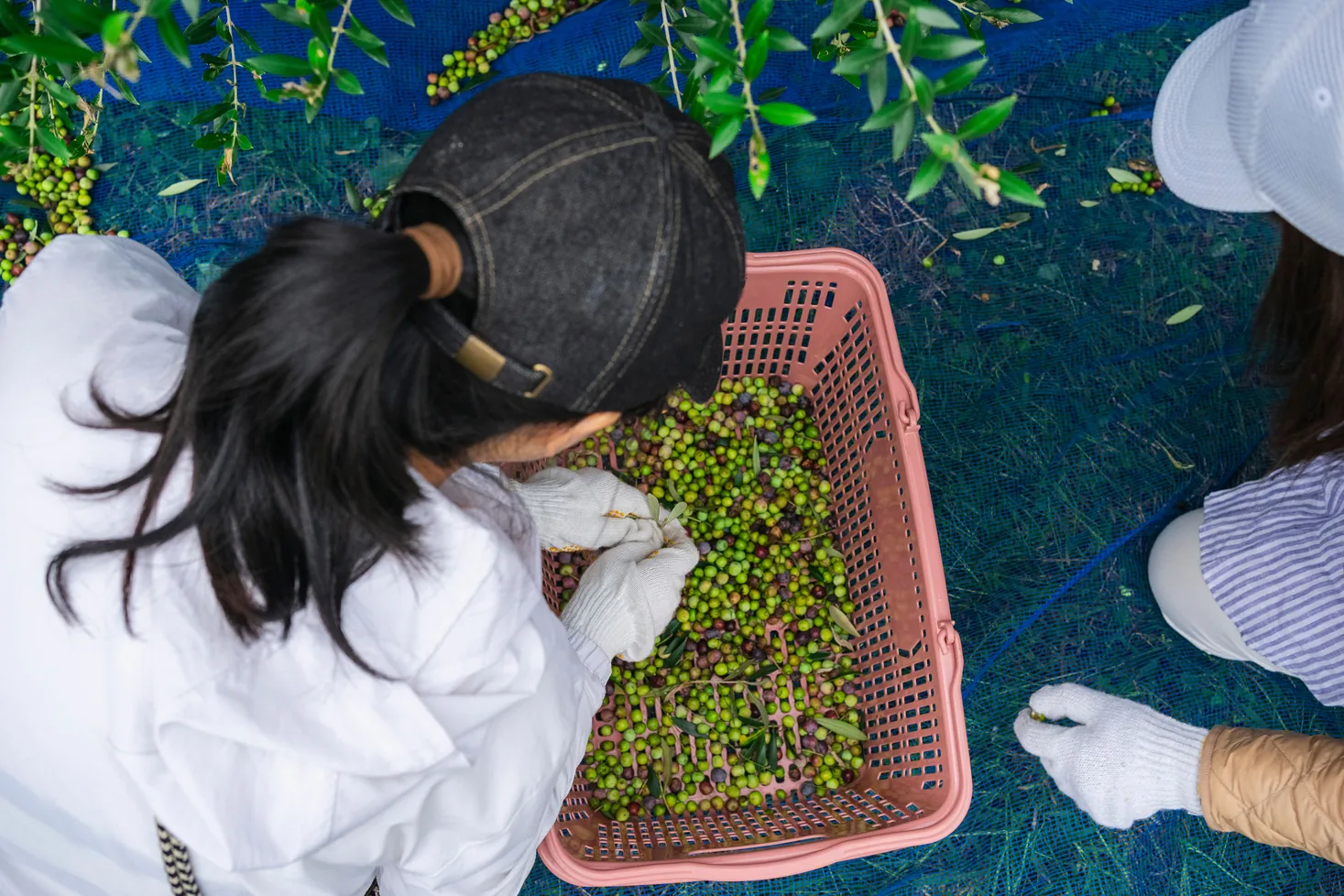
Through October the olive harvest moves across inland Istria. The fruit is hand picked and cold pressed within hours, and for a few weeks the whole region carries the smell of fresh oil.
By October the light turns amber and the groves fill with people. Nets are spread under the trees, the branches are combed by hand, and each day's fruit goes to the mill while it is still cool. Istria presses early, when the olive is green and barely ripe, because that is when the oil holds the most flavour and the most life.
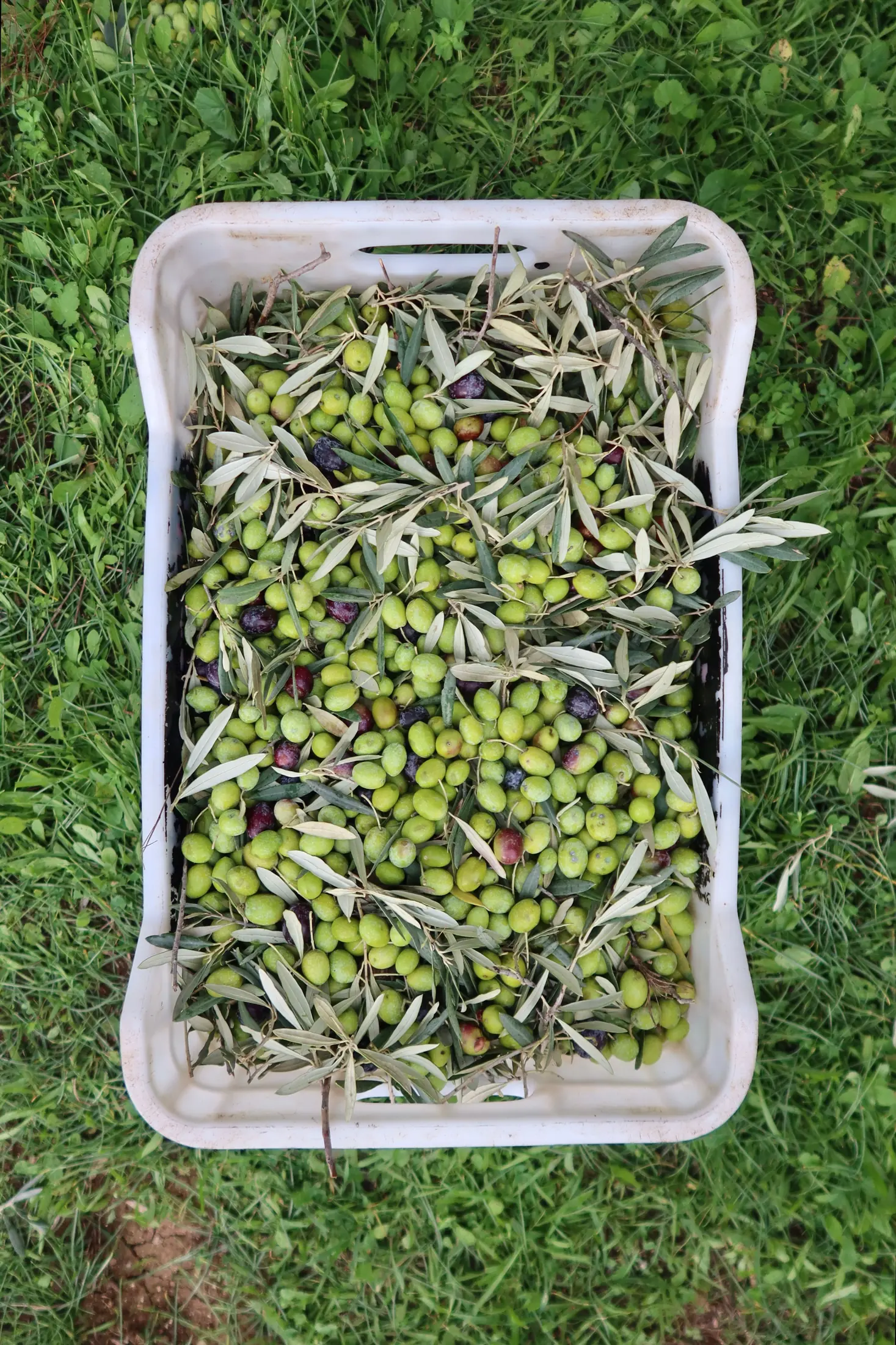
There is good reason the world watches this corner of Croatia. The Flos Olei guide, the international reference for extra virgin olive oil, named Istria the finest olive oil region on earth in its 2027 edition, the 10th time Istria has held that place. The guide selects 500 oils from 57 countries across five continents, and Istria sits among its top three regions, with Tuscany and Apulia. In this edition two Istrian oils, Mate and Ipsa, each scored a perfect 100, the first time two producers from the region have reached that mark.
Oil has been pressed here since Roman times, when Istria shipped amphorae of it across the empire. Little about the idea has changed. The olives still reach the mill within hours, crushed and separated cold, with no heat, so the whole of the fresh fruit stays in the bottle.
The groves grow in red earth over limestone, in a mild climate that suits the tree. The character comes from the Istrian cultivars, Buza, Istarska bjelica and Leccino, each pressed alone or blended. Many of the trees are old, worked by the same families for generations, and the plots are small enough that the fruit is picked and milled on the same day.
A young Istrian olive oil, poured fresh, runs green and a little cloudy. It smells of cut grass and green almond, and it finishes with a peppery catch at the back of the throat, the mark of a young oil rich in polyphenols. Taken simply, over warm bread with a pinch of salt, it needs nothing else.
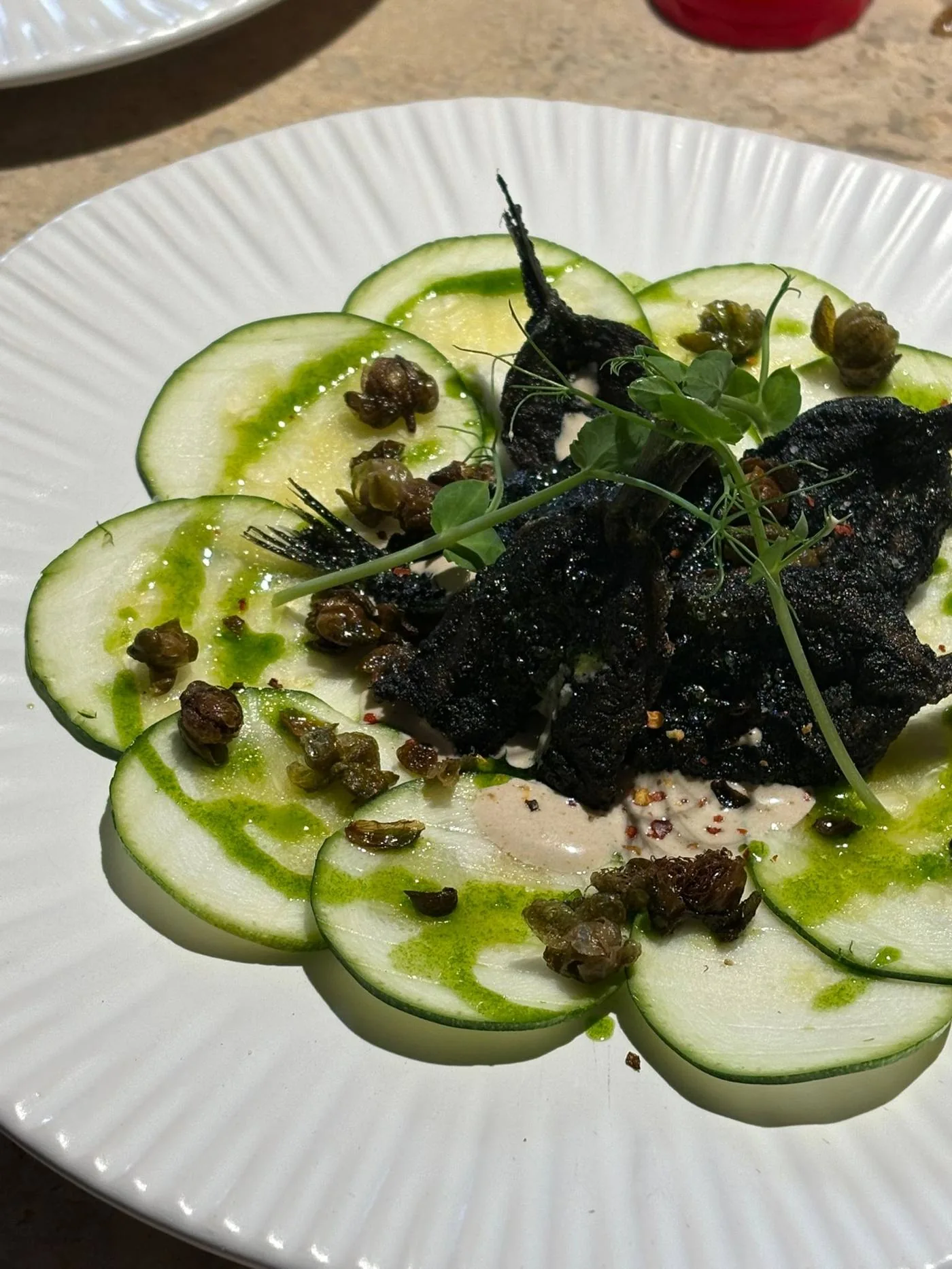
At LaMaison the new oil comes to the table all through the season, pressed a few kilometres from the house. It dresses the vegetables on the table, finishes a soup, or sits beside warm bread at breakfast. When you leave, a bottle of the year's pressing goes home with you.